Published by Coldwell Banker Caribe | September 2026 | Caribbean Coast Costa Rica
Estimated read time: 7 minutes | Category: Legal & Buyer Guides
Some of the loveliest land on Costa Rica’s Caribbean coast sits inside a protected area. The stretch running from Manzanillo south toward Gandoca and the Panama border is a wildlife refuge. Buyers often fall for a property there before anyone explains what that status means.
Here is the part that surprises people. Buying property in the Gandoca-Manzanillo refuge is legal. It also happens often. This is a mixed refuge, so it holds privately titled land alongside state land. Families have owned parcels here for decades, and those parcels still change hands.
Inside the boundary, what changes is what you may do with the land. Permits, clearing, and commercial use all follow a stricter approval path here. That path has been busy lately, with permit freezes, audits, and fines reaching the national news. So this guide covers how ownership works here. It also covers the current limits and how to run due diligence calmly.
Where the Gandoca-Manzanillo Refuge Starts and Ends
Locals call it REGAMA, short for Refugio Nacional de Vida Silvestre Gandoca-Manzanillo. It covers the far south of the Caribbean coast. It runs from the village of Manzanillo down toward the Sixaola river. A protected marine area sits offshore as well.
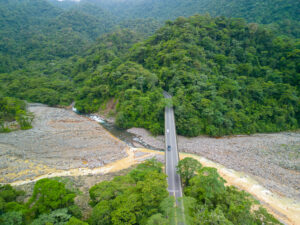
The refuge shelters reef, mangrove, turtle nesting beach, and lowland forest in one corridor. That mix is rare, and it explains the kind of buyer this area draws.
One practical point matters most while you shop. Punta Uva and Manzanillo sit near the boundary. So two lots a few hundred meters apart can follow different rules. Never judge a listing’s status by the nearest town name. The reliable answer comes from the registry number, the plano catastrado, and written zoning proof.
Why the Gandoca-Manzanillo Refuge Allows Private Ownership
Costa Rica sorts its wildlife refuges into three groups: state-owned, privately owned, and mixed. This one is mixed, so private titles exist inside a protected boundary.
Land inside the refuge, and outside the maritime zone, can carry full private title. It sits in the Registro Nacional like any other property in the country. Foreigners can hold it directly or through a Costa Rican company. The rights match what a Costa Rican owner holds.
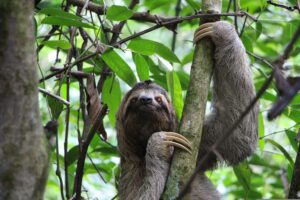
Parcels here tend to run larger than the average coastal lot. Many carry mature forest. Owners often report more wildlife on their land than neighbors outside the boundary see. That is the point of a protected corridor. In exchange, they accept stricter permit rules.
The Maritime Zone Inside the Refuge Works Another Way
Costa Rica reserves the first 200 meters inland from the high tide line. Nobody can own the first 50 meters, because that strip stays public. Inside a wildlife refuge, the rules on the remaining 150 meters tighten further.
Ordinary coastal towns use a concession system. Inside the refuge, the authorities grant use permits instead. Those permits have mostly covered conservation, research, and low-impact ecotourism.
This point confuses more buyers than any other. A seller may hold a genuine, long-standing right to occupy a beachfront parcel here. That right may still fall short of a title. It may not transfer freely, and it may not allow a home. So when a listing near the water looks unusually affordable, ask what the seller actually holds. Then have an attorney read the document.
The Management Plan Decides What You Can Build
The refuge runs under a formal management plan that splits the area into zones with different allowed uses. That plan decides whether a parcel allows a house. It also sets how much you may clear and what footprint works.
Two neighboring lots can carry different answers, because the zoning follows habitat and terrain rather than street frontage.
So get written proof of the parcel’s zone before you make an offer. Your attorney requests it from the refuge authority. It arrives as a document with a signature on it. No spoken assurance from a seller, a neighbor, or an agent replaces that. After that, any building plan needs an environmental review before a municipal building permit can follow.
The Permitting Situation Has Been Busy
Anyone researching this area will run into headlines. In recent years the refuge has seen a freeze on new permits. There have also been probes into illegal clearing, an alleged airstrip, and wider concern about building pressure.
None of that makes the refuge a bad place to own. It does mean permitting status here changes, and it changes faster than published guides get updated.
So verify any statement about current permits on the day you buy. That includes this one. Your attorney should confirm the status directly with the refuge authority before you sign. Your purchase agreement should also give you a due diligence period long enough to get that answer in writing. If you plan to build, consider making the offer conditional on getting a permit.
Due Diligence on a Refuge Property
The checklist here runs longer than a standard purchase, and every item earns its place.
Start with a full title study at the Registro Nacional. It confirms the seller’s ownership, the registered area, and any liens or annotations. Then pull the plano catastrado. A surveyor should confirm the boundaries on the ground, because older surveys here drift.
After that, add the refuge-specific items. Get written zoning proof under the management plan. Find out whether any part of the parcel falls inside the maritime zone. Check that every building on the lot was permitted. Inheriting unpermitted work inside a protected area creates real risk. Check the water situation too, since ASADA water letters and well permits carry their own limits.
Finally, use an attorney with actual experience in refuge transactions.
Why Buyers Keep Choosing This Stretch
None of the above slows the demand, and the reason is worth stating plainly.
Land inside and around this refuge will never be built out the way open coastline gets built out. The forest behind your house stays forest. The reef offshore stays reef. Punta Uva will look much the same in twenty years, which very few coastal markets anywhere can promise honestly.
So owners here accept permitting friction and receive permanence. Do you want a quiet home surrounded by protected habitat? Then that trade often looks like the best deal on the coast. Buyers who assume they can build anything they like are the ones who end up disappointed.
Frequently Asked Questions About the Gandoca-Manzanillo Refuge
Can foreigners own property inside the Gandoca-Manzanillo refuge?
Yes. This is a mixed refuge, so it holds privately titled land next to state land. Foreigners hold the same rights Costa Ricans do on titled parcels. You can own directly or through a Costa Rican company. The restriction sits on what you may do with the land rather than on who may own it. Titled parcels outside the maritime zone give you the clearest ownership picture. Parcels touching the maritime zone follow a much more limited framework, so treat them as a separate group.
Can you build a house in the Gandoca-Manzanillo refuge?
Sometimes. It depends on the parcel’s zone under the management plan. Permit status on the day you apply matters too. Some zones allow a house once you hold a permit. Others limit use to conservation or low-impact activity. Permit availability has also been suspended at points in recent years. So never buy a refuge parcel assuming you can build. Get written zoning proof during due diligence, and consider making your offer conditional on getting a building permit.
What is the difference between titled land and maritime zone land here?
Titled land carries a folio real number in the registry. So you can buy, sell, mortgage, and inherit it normally. Maritime zone land belongs to the state and covers 200 meters from the high tide line. Nobody can own the first 50 meters, because that strip stays public. Inside the refuge, the rest of that strip runs through use permits. They cover conservation, research, and ecotourism. The two groups differ in almost every legal way, and prices usually reflect that.
Is a Gandoca-Manzanillo refuge property a good investment?
It can be, for a buyer with the right expectations. Permanent protection of the surrounding habitat supports long-term value, and inventory here stays genuinely limited. The constraints are equally real. Permitting runs slower, building rules stay tighter, and the rules shift. Buyers looking for a home in a setting that will not change tend to do well here. Buyers planning subdivision or a large commercial project usually find better options outside the boundary.
How Coldwell Banker Caribe Helps Buyers in the Refuge
We show properties inside and around the refuge. And we tell buyers which group a listing falls into early. That conversation happens on the first visit.
Our agents live on this coast. So we know which parcels carry clean titles and which ones raise survey questions. We also know which attorneys handle refuge files well. When a listing near Manzanillo looks too good for its price, we can usually explain why in one call.
We are the only established Coldwell Banker franchise on this coast. So that local detail comes with a global network for buyers arriving from abroad. Has a refuge property caught your eye? Let us read the paperwork with you first.
Contact Coldwell Banker Caribe: coldwellbankercaribe.com