Purchasing a property in Costa Rica offers Americans the chance to invest in a beautiful, tropical paradise. Whether you’re eyeing the serene beaches of the Pacific, the lush rainforests of the Central Valley, or the charming towns along Costa Rica’s Caribbean coastline, this Central American gem provides a diverse range of landscapes and lifestyles to suit various preferences. In this guide, we’ll walk you through the essential steps to help you successfully navigate the process of buying property in Costa Rica, highlighting key considerations and specific tips for those interested in areas like the Caribe region—Costa Rica’s Caribbean.
1. Understanding the Costa Rican Property Market
Costa Rica’s property market has been steadily growing, driven by its strong tourism industry, stable government, and welcoming environment for expats. The country’s appeal spans from the lush, green landscapes of the Central Valley to the sun-soaked beaches along the Pacific Ocean and the rugged, undeveloped beauty of Costa Rica’s Caribbean. Popular areas like Puerto Viejo in the Caribe region, or the coastal areas of the Pacific like Tamarindo and Nosara, attract international buyers and investors looking for second homes, retirement properties, or vacation rentals.
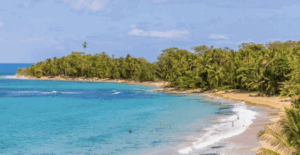
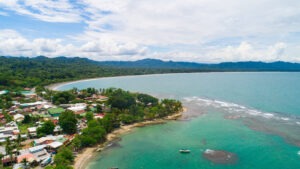
Each region offers unique opportunities. The Caribe region is known for its laid-back lifestyle, vibrant Afro-Caribbean culture, and secluded beaches like Playa Chiquita and Punta Uva. Meanwhile, the Pacific coast boasts bustling towns like Playa Hermosa and Playa Santa Teresa, where surf culture meets luxury living.
2. The Legal Framework for Foreign Buyers
One of the biggest draws of Costa Rica is its open property laws, allowing foreigners to purchase property with the same rights as Costa Rican citizens. However, before diving into the property search, it’s crucial to understand Costa Rica’s legal framework.
While foreigners can buy property freely, it’s recommended to seek legal advice from a Costa Rican attorney who specializes in real estate. They will help you navigate the legal requirements, such as verifying land titles and ensuring there are no encumbrances on the property. This is especially important in the Caribe region, where the complexities of ownership laws, particularly regarding beachfront properties, are more nuanced.
3. Financing Options and Costs
Financing property in Costa Rica as a foreigner can be tricky, as banks are generally reluctant to offer mortgages to non-residents. However, there are alternative ways to fund your property purchase. Many buyers opt for paying in cash or arranging financing through private lenders.
Additionally, when purchasing a property in Costa Rica, you should be prepared for additional costs. These may include notary fees, legal fees, transfer taxes, and registration fees, which typically range between 4% to 6% of the property value. In regions like Caribe, property values can vary significantly depending on proximity to the beach and access to local amenities, so it’s important to factor in these additional expenses when planning your budget.
4. The Property Search Process
Choosing the right location is paramount when buying property in Costa Rica. As an American, you’ll want to ensure the area aligns with your lifestyle and investment goals. Popular regions for expats include the Central Valley, Guanacaste, and the Caribe region.
If you’re drawn to Costa Rica’s Caribbean, towns like Puerto Viejo de Talamanca, located in the Caribe region, offer a relaxed, bohemian atmosphere with close access to stunning beaches and lush rainforest. This area is perfect for those seeking tranquility and natural beauty, yet it’s still within driving distance of San José, the capital city. Real estate in these regions can be more affordable than in the Pacific Coast’s more commercialized areas, making it a great choice for buyers who are open to a more rustic lifestyle.
When searching for properties, working with a reputable local realtor familiar with the specificities of the Caribe region is crucial. They can provide you with insights into hidden gems, such as off-the-grid eco-friendly homes near the beaches of the Caribbean or luxury villas tucked in the mountains.
5. Due Diligence and Property Inspection
Before finalizing any property transaction, always conduct thorough due diligence. In Costa Rica, property transactions often involve a notary public who will oversee the signing and official registration of the sale. But you must also make sure the property is free of any legal disputes or unpaid taxes. A property inspection is essential, particularly in more remote areas like Costa Rica’s Caribbean, where access to utilities and infrastructure may be less reliable than in more urbanized parts of the country.
Your legal team will be able to assist with the verification of property titles, and an experienced realtor will guide you through the process of assessing the condition of the property and its surrounding area, whether it’s beachfront property near Puerto Viejo or a secluded mountain home in the Caribe.
6. Closing the Deal and Finalizing the Purchase
Once all inspections and legal verifications are complete, it’s time to close the deal. The closing process in Costa Rica generally takes about one month and requires the assistance of a notary public. On closing day, the final step is registering the property with the National Registry, which officially transfers ownership to you.
In Costa Rica, closing costs typically include the payment of transfer taxes, notary fees, registration costs, and the real estate agent’s commission (usually 3%). Once the sale is finalized, the property is officially yours—whether it’s a beachfront retreat along the Caribbean coast or a mountain hideaway in the Central Valley
7. Living and Investing in Costa Rica
Living in Costa Rica as an American offers a unique experience. With its thriving expat communities, excellent healthcare system, and diverse natural beauty, Costa Rica is an ideal location for retirees and investors. Whether you’re drawn to the Caribbean’s laid-back charm in towns like Cahuita or Puerto Viejo, or prefer the bustling surf culture of the Pacific Coast, you’ll find that Costa Rica’s real estate market offers something for everyone.
Moreover, the Costa Rican government encourages foreign investment and offers various residency options for those looking to make Costa Rica their permanent home. Whether you’re purchasing property for a vacation home or a full-time residence, owning real estate in Costa Rica can be a rewarding experience that promises both a great quality of life and potential for long-term investment gains.
Conclusion
Purchasing property in Costa Rica as an American is a feasible and rewarding endeavor, with numerous advantages to investing in this beautiful, welcoming country. By understanding the local property laws, conducting due diligence, and working with experienced professionals, you can confidently make your dream of owning a slice of paradise a reality.
Whether you’re drawn to the wild allure of Costa Rica’s Caribe region or the sun-soaked beaches of the Pacific Coast, Costa Rica offers a rich variety of opportunities for real estate investment. With the right approach and a clear understanding of the market, you can secure a property that not only meets your needs but also enhances your lifestyle in this tropical haven.